Safety Considerations for Commercial Concrete Sawing and Removal
People seeking commercial concrete sawing and removal often want safe, efficient solutions, and local service providers can ensure proper techniques and safety measures are followed.
Property owners in the area considering commercial concrete sawing and removal often recognize the importance of safety considerations to ensure a smooth and secure project. Whether upgrading a building, creating new openings, or removing outdated structures, understanding the potential hazards and safety protocols involved is essential for avoiding accidents and property damage. Local contractors specializing in concrete sawing and removal are well-versed in these safety practices, helping to minimize risks while delivering efficient results.
Exploring safety considerations for commercial concrete sawing and removal can also provide practical benefits, such as reducing downtime and preventing costly setbacks. Engaging experienced service providers ensures that proper equipment is used correctly, and safety measures are followed throughout the process. Keep reading to learn more about how local contractors prioritize safety and how their expertise can support the success of your project.
- Concrete cutting in busy commercial settings - local contractors implement safety measures like dust control and proper equipment use to protect workers and surrounding areas.
- Parking lot slab removal - service providers prioritize safety considerations for commercial concrete sawing and removal by using protective barriers and ensuring stable work zones.
- Interior demolition involving concrete walls - local pros follow safety protocols such as securing the structure and using appropriate personal protective equipment.
- Sidewalk and curb removal projects - contractors focus on maintaining site safety through careful planning and adherence to safety considerations for commercial concrete sawing and removal.
- Structural concrete cutting for renovations - service providers assess risks and employ specialized techniques to minimize hazards during the sawing and removal process.
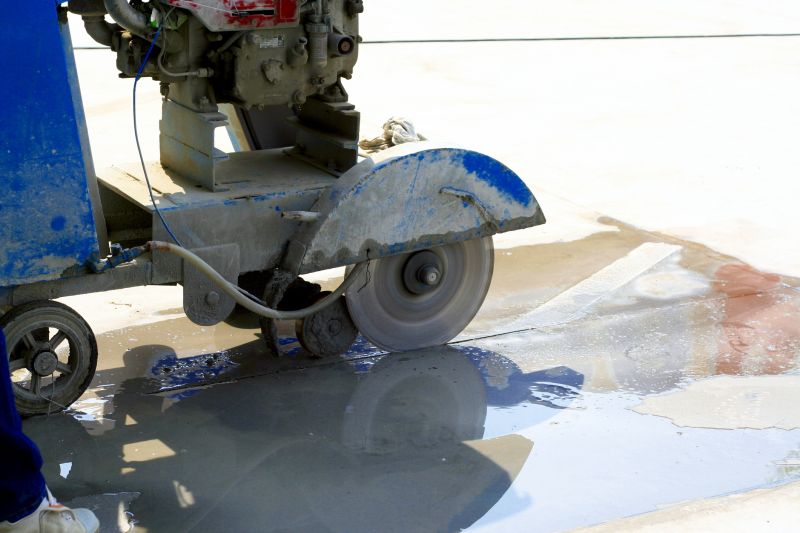
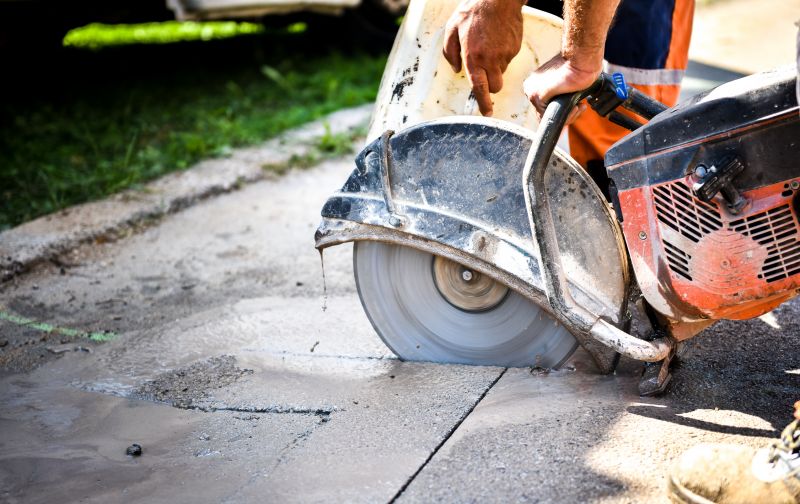
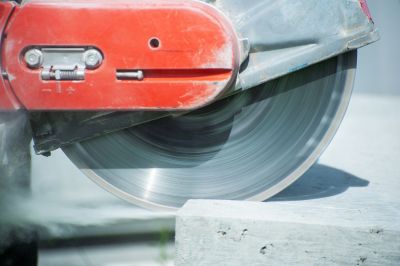
When people search for safety considerations for commercial concrete sawing and removal, they are typically looking for guidance on how to ensure that the work is performed safely and without incident. This topic often comes up in the context of large-scale construction, renovation projects, or building maintenance where concrete needs to be cut, drilled, or removed. Property owners and project managers want to understand the potential hazards involved, such as dust, noise, vibration, and the risk of structural damage, to prevent accidents and protect workers and bystanders. Knowing about safety considerations helps ensure that the project complies with safety standards and minimizes the chance of injuries or property damage.
These safety considerations are closely linked to various problems or plans that involve concrete work. For example, when planning to install new utilities, remove old or damaged sections of concrete, or create openings for doors and windows, proper safety measures are essential. Concrete sawing and removal can generate hazardous dust and debris, which must be managed carefully to avoid health issues or cleanup challenges. Additionally, projects that involve cutting through reinforced concrete require specific techniques to prevent structural compromise. Proper safety planning also involves assessing the surrounding environment, such as nearby structures or utilities, to avoid accidental damage or service disruptions during the process.
The types of properties where commercial concrete sawing and removal are commonly performed include commercial buildings, industrial facilities, parking garages, warehouses, and retail centers. These properties often involve large concrete surfaces that need modification or demolition to accommodate new construction or upgrades. Sometimes, property owners or managers need to create openings for elevators, stairwells, or ventilation systems, making safety considerations critical to prevent damage to existing structures or utilities. In many cases, these projects involve complex environments where safety protocols must be strictly followed to protect workers, occupants, and the integrity of the property itself.
Understanding how safety considerations for commercial concrete sawing and removal relate to real projects highlights the importance of working with experienced local service providers. These contractors are familiar with the specific safety protocols needed for different property types and project scopes. They utilize specialized equipment and techniques designed to minimize hazards, such as dust suppression systems and vibration control measures. Engaging with knowledgeable local pros ensures that safety is prioritized throughout the project, helping property owners and managers avoid accidents, reduce liabilities, and complete their projects efficiently and responsibly.
Asphalt Cutting Projects - These projects require precise cutting with specialized tools, similar to commercial concrete sawing, and involve safety planning to prevent accidents and ensure proper handling.
Demolition and Debris Removal - Demolition jobs often involve cutting through concrete and other materials, making safety considerations crucial for protecting workers and nearby structures.
Industrial Flooring Installation - Installing new flooring in industrial settings involves cutting existing concrete safely, requiring careful planning and skilled use of saws and safety equipment.
Structural Reinforcement and Core Drilling - These tasks involve penetrating concrete and require careful safety measures to prevent structural damage and protect workers during the process.
Parking Garage Construction - Cutting and removing concrete in parking garages demand adherence to safety protocols to handle large-scale sawing and removal activities securely.
Utility and Pipe Installation - Installing underground utilities involves precise concrete cutting and safety planning to avoid damage to existing infrastructure and ensure worker safety.

When evaluating service providers for commercial concrete sawing and removal, it is essential to consider their experience with similar types of projects. Homeowners should look for local contractors who have a proven track record of handling projects comparable in scope and complexity, as this demonstrates familiarity with the specific safety considerations involved. An experienced contractor is more likely to understand the unique challenges that can arise during sawing and removal, helping to minimize safety risks and ensure the work is completed efficiently and safely.
Clear, written expectations are a vital part of choosing the right provider. Homeowners should seek service providers who can articulate their approach to safety considerations for commercial concrete sawing and removal in detailed proposals or estimates. This helps establish a mutual understanding of the scope of work, safety protocols, and responsibilities, reducing the potential for misunderstandings or overlooked safety measures. Well-defined expectations also serve as a foundation for accountability and ensure that safety remains a priority throughout the project.
Reputable references and good communication are key indicators of a trustworthy contractor. Homeowners are encouraged to ask for references from previous clients who can speak to the contractor’s safety practices and professionalism. Additionally, a service provider who communicates clearly and promptly about safety procedures, project updates, and potential concerns demonstrates a commitment to transparency and safety. Choosing local contractors who prioritize open dialogue and have positive references can help ensure that safety considerations for commercial concrete sawing and removal are effectively managed throughout the project.
Property owners often search for safety considerations for commercial concrete sawing and removal when they are planning practical projects around their homes and businesses. Local pros provide Commercial Concrete Sawing and Removal services for everyday jobs and straightforward project options.
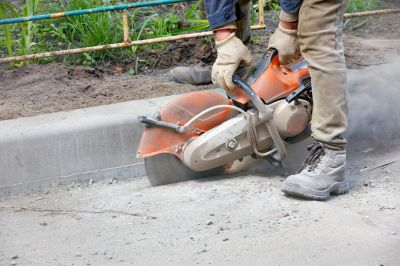
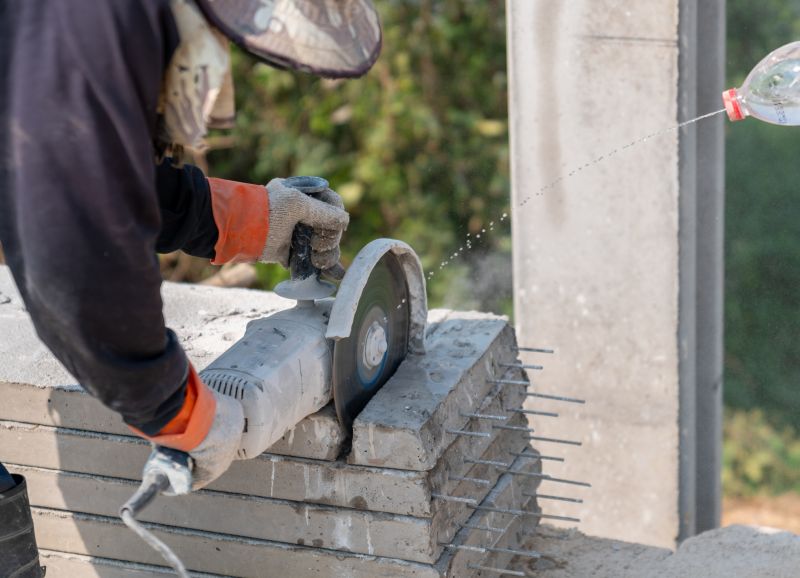
When undertaking commercial concrete sawing and removal projects, property owners often consider safety considerations to prevent accidents and protect everyone on-site. These projects typically involve heavy equipment and cutting techniques that can pose risks if not managed properly. Local contractors specializing in concrete sawing and removal understand the importance of adhering to safety protocols, ensuring that workers and nearby individuals are protected from potential hazards such as flying debris, dust, and equipment malfunctions. Proper planning and safety measures help minimize disruptions and create a safer environment during the project.
Property owners in the area might look into safety considerations for commercial concrete sawing and removal to avoid costly injuries and property damage. Engaging experienced service providers can help ensure that safety is prioritized throughout the process, from the initial assessment to the final cleanup. Local contractors are equipped to handle the complexities of these projects while maintaining safety standards, reducing the risk of accidents, and ensuring the job is completed efficiently. Connecting with qualified service providers can provide peace of mind that safety considerations are being properly managed during commercial concrete sawing and removal work.
What safety considerations should be taken into account during commercial concrete sawing and removal? It is important for service providers to evaluate the surrounding environment for hazards, ensure proper equipment use, and follow safety protocols to prevent accidents and injuries during the process.
How do local contractors ensure worker safety during concrete removal projects? Local contractors typically implement safety procedures such as using appropriate personal protective equipment (PPE), maintaining equipment properly, and adhering to safety standards to protect workers and nearby personnel.
What are common safety risks associated with commercial concrete sawing? Common risks include exposure to dust and debris, noise hazards, equipment-related injuries, and accidental cuts or falls, which local service providers aim to mitigate through safety measures.
How can property owners contribute to safety during concrete sawing and removal? Property owners should ensure the work area is clear of unnecessary personnel, inform contractors of any site hazards, and maintain a safe perimeter around the work zone to support safe operations.
Why is it important to hire experienced service providers for concrete sawing and removal safety? Experienced providers are more likely to follow proper safety practices, use appropriate equipment, and minimize risks, helping ensure the project is completed safely and efficiently.
Proper equipment handling - Ensuring that tools and machinery are operated according to safety guidelines helps prevent accidents during concrete sawing and removal projects. Local contractors can provide guidance on safe operation techniques for various equipment types.
Site assessment and preparation - Conducting a thorough assessment of the work area allows property owners to identify potential hazards such as hidden utilities or unstable surfaces before starting the project. Local service providers can assist with site evaluations to promote safe working conditions.
Personal protective equipment (PPE) - Using appropriate PPE like eye protection, hearing protection, and dust masks minimizes exposure to hazards associated with concrete sawing and removal. Local pros can advise on the necessary PPE for different project scopes.
Dust and debris control - Implementing dust suppression methods and proper debris containment reduces health risks and keeps the work area safe. Local contractors often have equipment and techniques to manage dust and debris effectively during sawing and removal tasks.
If you are thinking about safety considerations for commercial concrete sawing and removal for a property, this guide is meant to help you understand this topic, the typical project types, and how different options might fit your plans.
When you are ready, you can use the quote form on this page to share a few details about your project. From there, local pros can review the basics and follow up with options that match what you have in mind.